

EVERY
SECOND
COUNTS
A best-practice algorithm for Critical Care Clinicians in Anaphylaxis and Asthma resuscitation.
Why the AMAX4 algorithm?

Almost all food anaphylaxis deaths are from bronchospasm. Most medication anaphylaxis deaths are from bronchospasm. By precisely managing asthma/bronchospam, clinicians can reduce deaths from both anaphylaxis and asthma.

1.3M Australians have a food allergy. Young people are particularly at risk, with about 1 in 15 children under 18 living with a food allergy.

Every second counts when treating anaphylaxis resulting from food allergies. Anaphylaxis is a short-lived phenomenon — minutes to hours — if clinicians can keep someone alive without a brain injury for that short period of time, a rapid return to their baseline is expected.
By reforming treatment and providing evidence based information, support and awareness, our vision and goal is to reduce deaths from anaphylaxis and asthma in young people to zero.
The AMAX4 algorithm
Is a clinical algorithm for clinicians who face the decompensated asthma or anaphylaxis patient.
Can be used on an anaphylaxis/asthma patient who is unconscious, requiring bag valve mask support.
Applies to all clinicians who are capable of endotracheal intubation or are part of an intubating team including paramedics, doctors, and nurses.

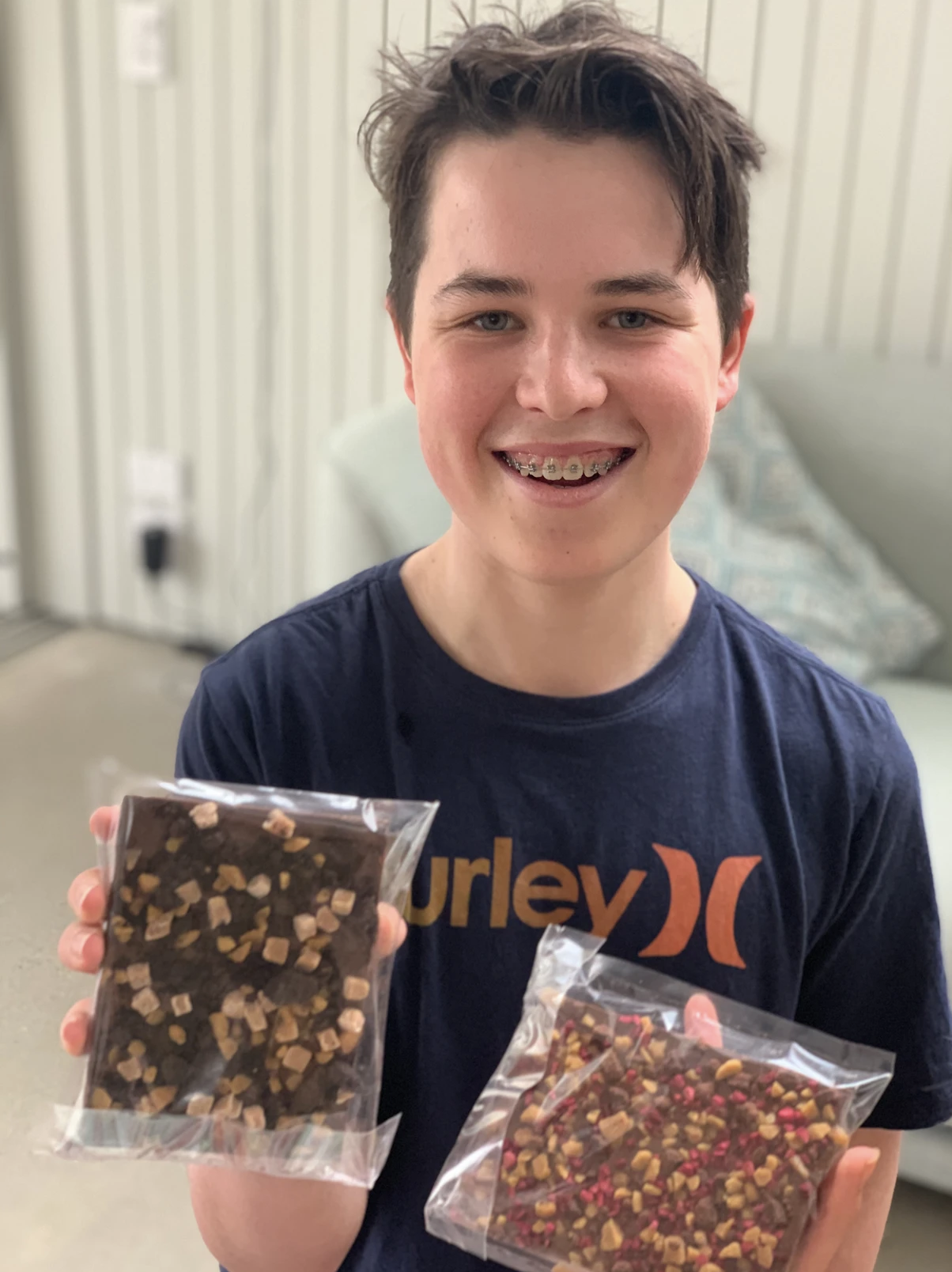
In memory of Max
Max McKenzie was an otherwise healthy teenager. He was talented, happy and loved. Max entered health care with normal oxygen levels alert and he was able to ask for help, but an inadequate emergency response resulted in Max sustaining an unsurvivable brain injury.
Feedback for the AMAX4 Algorithm
“Congratulations on this extraordinary achievement, to harness all the sorrow and passion and produce a truly educational package that will improve outcomes for patients affected by the extreme end of anaphylaxis and arrested asthma.
Your primary lecture is filled with detail, real-life events, evidence, practical advice, and bloody good sense. Anyone who has seen your lecture could not help but learn much from it.
We will certainly encourage all our registrars to watch it, in memory of Max and James.”
- PICU Consultant